
Technical Logistics

Project Logistics and Technical Planning

Logistics planned early, alongside engineering and procurement, so that materials and equipment arrive in the right sequence, with the right documents, when the work needs them.

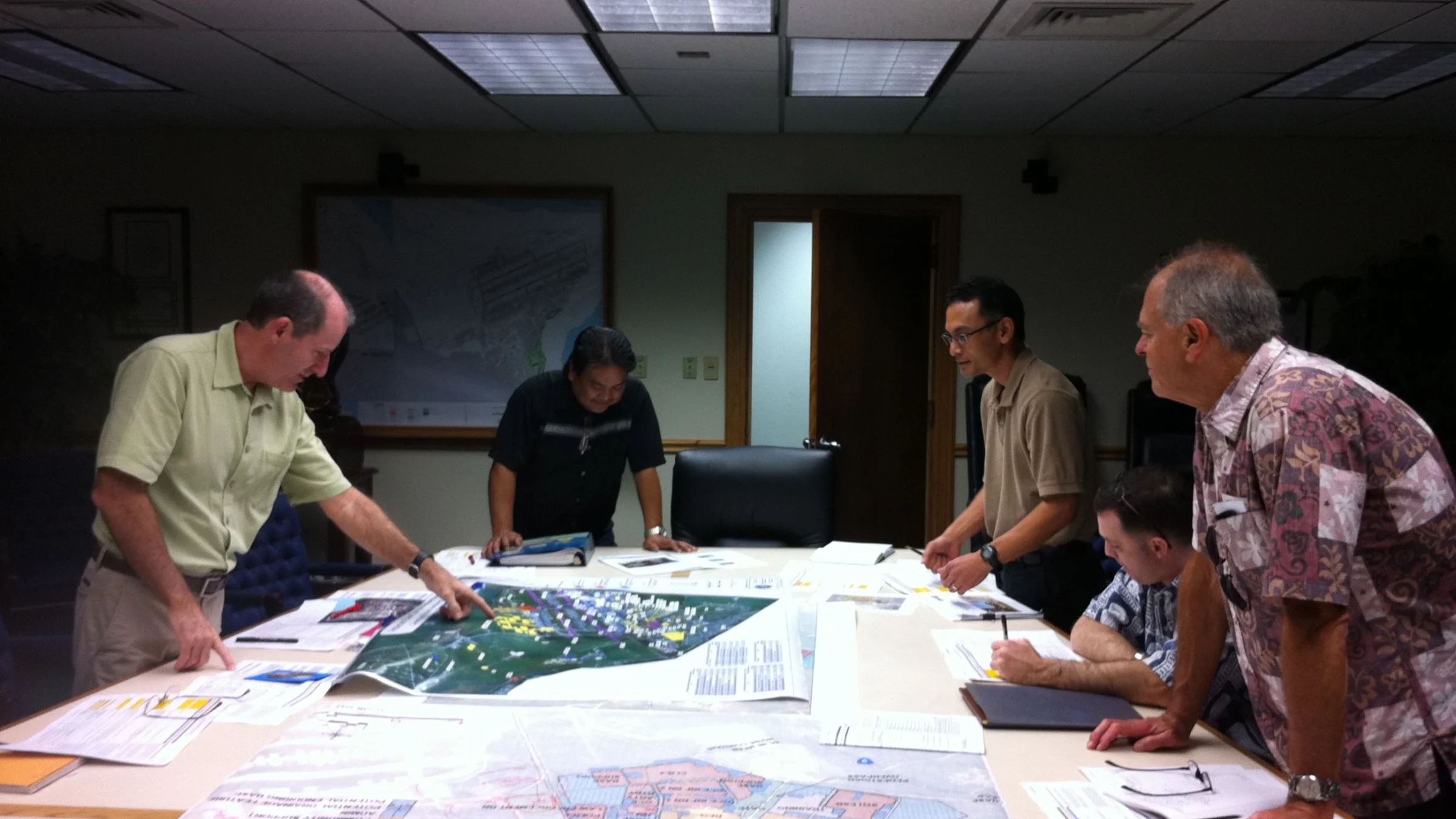
Planning workshop, illustrative.

Many project delays start long before anything is shipped: a long-lead item ordered against an optimistic date, a heavy package that cannot pass a site gate, documents that do not match the cargo, or two suppliers delivering to the same laydown area on the same day. Technical logistics planning brings these issues into view while there is still time to act.

Inquina works with your engineering, procurement and construction teams to build a logistics execution plan for the scope: what has to move, from where, by when, under which constraints and through which interfaces. The plan is then used as a working tool, with milestones monitored, risks tracked and issues escalated before they reach the critical path.

Planning draws on the same project-controls discipline used in Inquina’s EPCM and construction-management work, so logistics becomes part of the project schedule rather than an afterthought.
At a glance

Service area
Technical Logistics

Markets
United Kingdom, Nigeria and Ghana

Talk to us
+44 (0)7747231097

Send an enquiry

What we plan and coordinate

Logistics execution plans

A documented approach for the scope: cargo, routes, responsibilities, interfaces, documentation and controls.

Activity schedules

Logistics activities linked to engineering deliverables, purchase orders, fabrication and construction milestones.

Material and equipment movement plans

Sequencing of shipments and site deliveries to match installation priorities and laydown capacity.

Interface coordination

A single point of coordination between engineering, procurement, construction, marine operations, suppliers and project teams.

Milestone monitoring and risk identification

Delivery milestones tracked against plan, with logistics risks logged, assessed and assigned an owner.

Priorities and dependencies

Transport dependencies and delivery priorities agreed with the project, so the most critical items are protected.

Reporting and escalation

Regular logistics reporting, exception escalation and agreed performance measures.

Typical challenges we help address

  • Long-lead and critical items with no clear delivery plan
  • Deliveries arriving out of sequence or before the site is ready
  • Unclear responsibilities between suppliers, forwarders and the site
  • Limited visibility of where materials are and when they will arrive
  • Late discovery of handling, access or documentation constraints

How the planning service works

  1. Understand

    Scope, technical requirements, locations, delivery dates, cargo information and constraints are gathered.

  2. Plan

    Logistics approach, interfaces, transport options, supplier requirements and risks are reviewed and documented.

  3. Coordinate

    Suppliers, service providers and project teams are aligned to the plan and its milestones.

  4. Monitor and control

    Milestones, readiness, exceptions and agreed measures are tracked and reported.

  5. Close out

    Receipt is confirmed, documents reconciled and lessons learned recorded.

What early planning aims to achieve

Constraints found early

Access, handling and documentation constraints identified while there is still time to plan around them.

Less avoidable handling

Fewer unplanned transfers, re-handling and storage moves between supplier and site.

Better schedule support

Deliveries sequenced around installation priorities, with risks visible to the project team.

Transparent operating model

How this service is delivered

Delivered by Inquina

  • Logistics planning, scheduling and execution plans
  • Interface coordination and progress meetings
  • Risk registers, reporting and escalation

Arranged through specialist partners

  • Physical transport, storage and handling by selected carriers and service providers
  • Specialist engineering for abnormal loads, where required, by qualified transport engineers

Inquina plans, coordinates and manages these activities. Transport, storage, customs declarations and other regulated activities are performed by appropriately licensed carriers, forwarders, customs brokers and service providers selected for each scope. Inquina does not own a transport fleet, vessels or warehouses.

Frequently asked questions

At what stage should logistics planning start?

Ideally during engineering and before major purchase orders are placed, so that lead times, packaging, documentation and delivery constraints can be reflected in the orders. Planning can also start mid-project to bring an existing scope under control.

Can you work alongside our existing forwarder?

Yes. Planning and coordination can sit above your existing providers, aligning their activities with the project schedule.

Enquiry

Discuss Project Logistics and Technical Planning

Send what you have; we will ask for anything missing. A member of the team will respond as soon as possible.

What to include in your enquiry

  • Company, contact details and your role in the project
  • Origin and destination (country, town or site), and any intermediate locations
  • What needs to move or be sourced: description, quantities, dimensions and weights if known
  • Required delivery date or the project milestone it supports
  • Known constraints: site access, handling, documentation, security or HSE requirements
  • Current project schedule or key milestones, if available

+44 (0)7747231097

Fields marked with an asterisk are required.

What needs to move or be sourced. Send what you have; we will ask for anything missing.

e.g. 2 crates, 3.2 ร— 1.5 ร— 1.8 m, 2,400 kg gross